Writing · · 8 min read
People Are the Asset, Tools Are the Liability
Every world will bring new obstacles. It’s still ours to shape.
"Care is the missing craft."
In the late 1980s, I learned to draw on an Apple II, making shapes with Turtle Graphics in my elementary school’s computer lab. Twenty-five years into a design career, I’ve learned and let go of more tools than I can count. Not one of them is still in my workflow. What I learned while using them is that the tools change, but if you’re lucky, you change too. And if you’re really lucky, you change someone else.
I learned to draw on an Apple II in the late 1980s, with Turtle Graphics. Twenty-five years into a design career, I’ve let go of more tools than I can count. The tools change, but if you’re lucky, you change too. And if you’re really lucky, you change someone else.
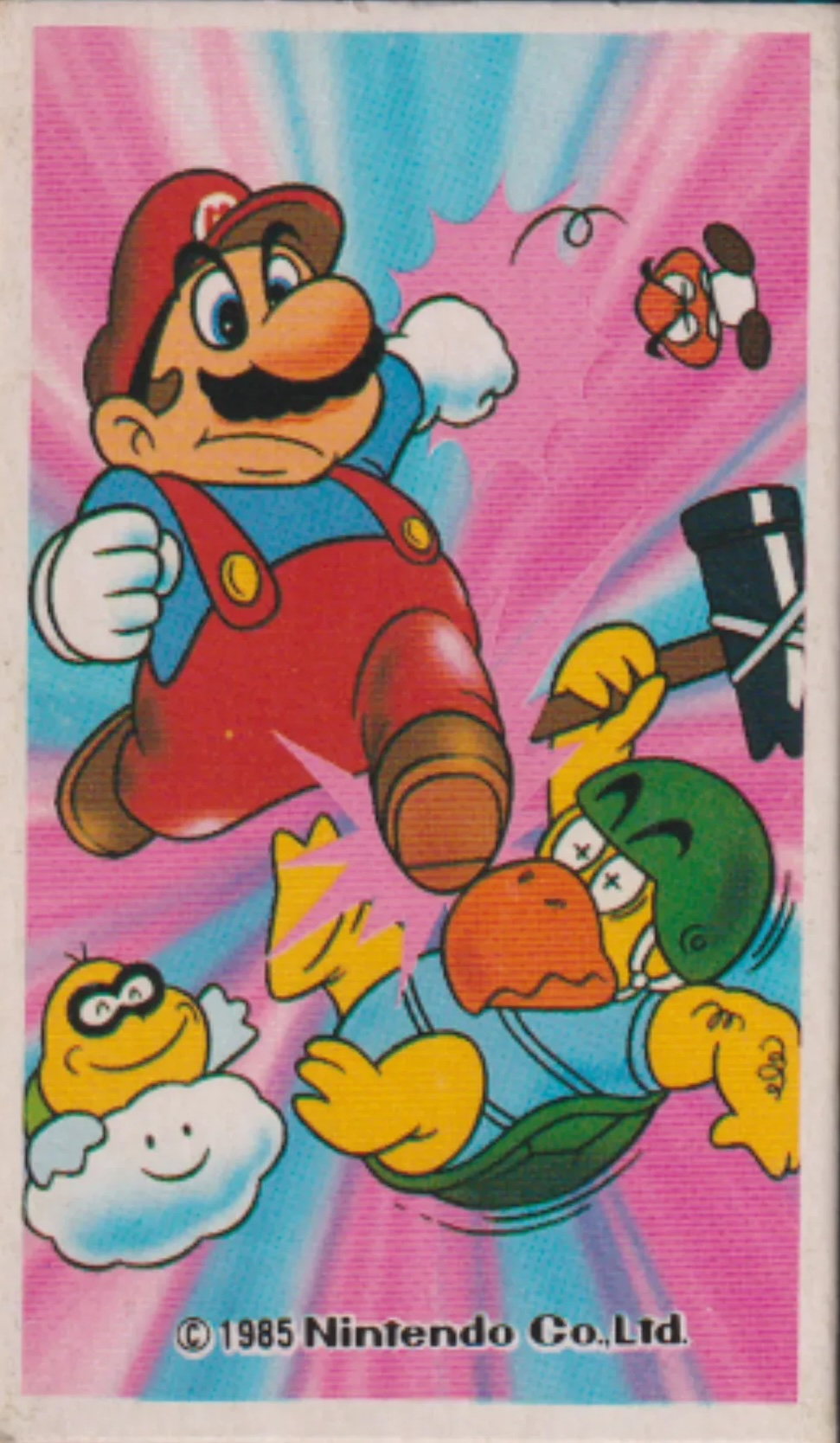
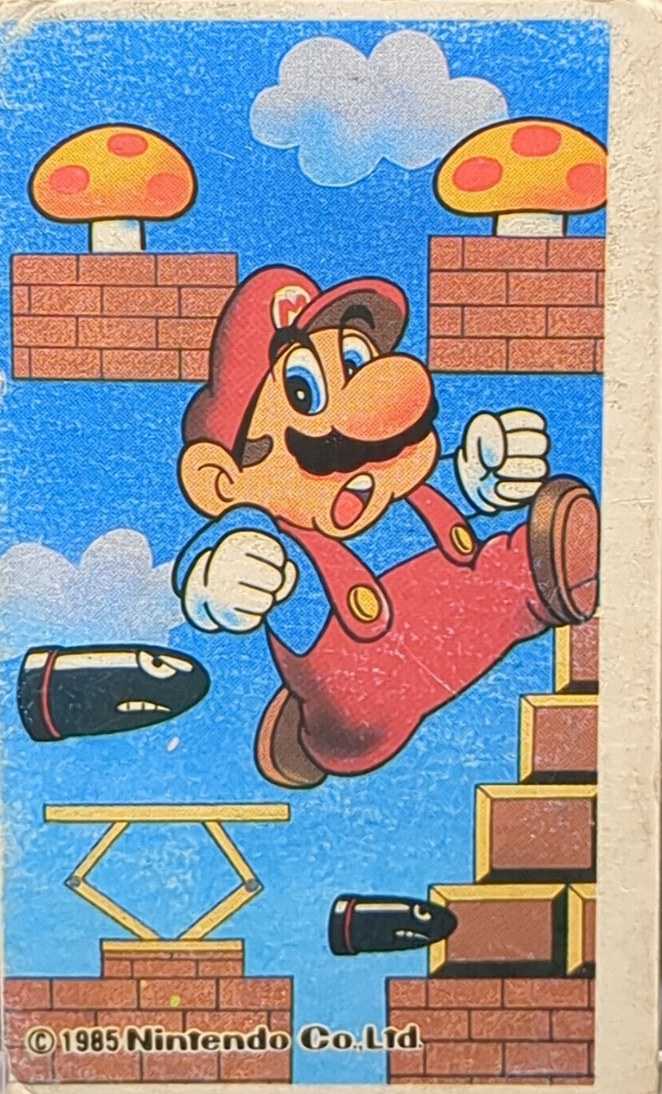
A controller. Tools are the level. You hold the controls.It’s a bit like Super Mario. Every world throws something new at him: Goombas, Koopa Troopas, pipes, pits, a castle with a new boss at the end. The level changes. Power-ups help, but they don’t change how high Mario jumps. A running start does. Tools are the level. The designer is the player. Skills are like power-ups. The running start is yours: the momentum you build, and the timing only practice teaches.
It’s a bit like Super Mario. The level changes, and power-ups help, but they don’t change how high Mario jumps. A running start does. Tools are the level. The designer is the player. The running start is yours: the momentum you build, and the timing only practice teaches.
Right now the world is in love with the idea of a machine holding those skills and power. But you are more powerful than you know.
You are more powerful than you know.
That’s why this AI moment worries me. It speeds up the process, but it can slow down our collective creativity just as much. And it isn’t only about designers. Engineers have code generators, writers have language models, support teams have chatbots, and researchers are being offered synthetic users in place of real people. AI budgets keep growing while teams get smaller, and entry-level work is usually the first to go. Every company says its people are its greatest asset. Then budget season comes. Teams get trimmed. Licenses get renewed. It’s easy to treat a person as a cost and the newest tool as an investment. I think we have it all backwards.
That’s why this AI moment worries me. AI budgets keep growing while teams get smaller, and entry-level work is usually the first to go. Every company says its people are its greatest asset. Then budget season comes. It’s easy to treat a person as a cost and the newest tool as an investment. I think we have it all backwards.
The teammate is the asset. The tool is the liability: it depreciates, it needs maintenance, and eventually it gets replaced.
The teammate is the asset. The tool is the liability: it depreciates, it needs maintenance, and eventually it gets replaced.
I’ve spent most of my career in design and accessibility. In human-centered work, the cost of skipping people shows up fast. When a team cuts the people whose job is to understand its customers, disabled people are often the first to be overlooked, as customers and as teammates. That’s the lens I’ll use here, but these levels are for every role.
I’ve spent most of my career in design and accessibility. That’s the lens I’ll use here, but these levels are for every role.
Let’s start exploring your worlds, in a different way
A shared practice empowers people.World 1-1: The real power-up is shared practice
"A tool is only as good as the shared practice behind it."
On paper, building a component library, a plugin, a design system, or a code assistant reads like a tool success story for many teams. But the tool is rarely the real product. The real product is a team’s shared language: people in every role agreeing on what things mean, and making those decisions together. A tool works because people keep shaping it. Someday it will be replaced by something newer. The shared language will outlast it, because it lives in people.
The tool is rarely the real product. The real product is a team’s shared language: people in every role agreeing on what things mean. Tools get replaced. The shared language outlasts them, because it lives in people.
In 2019, a dozen designers, researchers and writers came together to form the Design for Inclusion Guild at the company I worked at. It was a group independent of team or discipline.
The group held a speaking series, workshops and initiatives to make our design system language and products more inclusive and accessible. The guild eventually wound down, but the people kept going. The shared language lived on in dozens of products and services that designers, researchers and writers led on their own. Yes, tools, libraries and systems came out of this work, including A11ykit, our accessibility annotation library for designers and developers. But it all started with a small group of people digging deeper into inclusive design than the company had asked them to.
In 2019, a dozen designers, researchers and writers formed the Design for Inclusion Guild at the company I worked at. The guild eventually wound down, but the people kept going, and tools like A11ykit came out of their work. It all started with a small group digging deeper into inclusive design than anyone had asked them to.
That kind of work needs room to grow, and both leaders and individual contributors have to make that room. In 2020, the room got bigger. After the murder of George Floyd and the Black Lives Matter protests that followed, companies were being held accountable for their values, and many put real budgets behind diversity, equity and inclusion work. Then the room got smaller. Our focus shifted to A11ykit, and support for the guild faded. Across the industry, DEI budgets were often the first to go. The people who did the work didn’t disappear. Their practice is still in the products they shaped.
In 2020, after the murder of George Floyd, many companies put real budgets behind diversity, equity and inclusion work. A few years later, those budgets were often the first to go. The people who did the work didn’t disappear. Their practice is still in the products they shaped.
World 1-2: Every level needs a player who knows why
Even automation starts with people. A good tool can turn guidance into a guided workflow and make good practice easier. But someone had to understand that practice deeply enough to encode it, and someone has to keep it honest as standards and teams change.
Tools hold the instructions. People hold the why: the context, the tradeoffs, and the history of what was tried and didn’t work. The insight comes from people. The tools change because of it. New world, same player.
My accessibility team held the keys to the company’s entire accessibility workflow. More process would only have made us a bottleneck. Workflows hold the steps, but they can’t answer the question a team brings when the steps don’t fit. That’s where the why lives. So every Tuesday morning, at a time that worked across our partner teams’ time zones, we held office hours, and anyone could bring a question.
My accessibility team held the keys to the company’s accessibility workflow. Workflows hold the steps, but they can’t answer the question a team brings when the steps don’t fit. So every Tuesday we held office hours, and anyone could bring a question.
A calendar and a chat. The reminders are automatic. The care isn’t.Slack and our calendar sent the reminders, but a teammate still ran it. They cancelled sessions by hand when no one had booked, shared what was coming up, and matched each question with the right person. You can automate a reminder. You can’t automate that kind of thoughtfulness.
Slack and our calendar sent the reminders, but a teammate still ran it. You can automate a reminder. You can’t automate that kind of thoughtfulness.
It was one of my favorite parts of the week. Some questions got solved right on the call. Some people needed coaching on code, design or annotations. Others kicked off whole projects with us before moving into our A11y Review Workflow. Keeping it healthy took human care: open enough that anyone felt welcome, and clear enough that it never became a pile of unprioritized projects or unrealistic promises. The tools kept the schedule. People kept the why.
Some questions got solved right on the call. Others grew into whole projects. The tools kept the schedule. People kept the why.
A question block. Ask one, and something good usually pops out.World 1-3: Hidden blocks only humans find
Some problems only show up when a person meets the product. Automation is built around the typical case, and it misses the people at the edges. Disabled people are the clearest example. A field can be technically labeled and still be confusing. A chart should never be the only way in. And no checker can replace someone telling you, in their own words, where a product let them down.
Some problems only show up when a person meets the product. No checker can replace someone telling you, in their own words, where a product let them down.
A designer and I knew our field selection feature relied on color alone to tell recipients apart. In a recent research session, a low-vision tester from Fable struggled to find a specific recipient’s fields and told us what that felt like. Then they did more than give feedback. They started designing ideas with us, right there on the call. That was the hidden block. Their words and ideas stayed with me, the part no tool could have found for us.
A low-vision tester from Fable struggled with a feature of ours that relied on color alone, and told us what that felt like. Then they started designing ideas with us, right there on the call. That was the hidden block.
Clearer fields wouldn’t only help people with low vision. They’d help people with cognitive disabilities, neurodivergent people, and anyone who wants clarity in their tools. We always deserve clarity. Too often we get a blur instead, because someone didn’t care enough or didn’t know their own bias.
A warp pipe is kind of like a time warp.Test your work with real people. Sometimes a person can’t finish a critical task only because someone designed it in a way that left them out.
The warp zone: skipping the levels that teach you
Mario has warp zones: secret pipes that skip whole worlds. AI tools are a warp zone. They let people jump past work that used to take years, and sometimes that’s wonderful. But the early levels are where judgment gets built. The small, repetitive, beginner work is how most of us learned what good work is. If juniors never get to play World 1-1, who becomes the senior player later?
AI tools are a warp zone. They let people skip work that used to take years. But the early levels are where judgment gets built. If juniors never get to play World 1-1, who becomes the senior player later?
My early levels included an internship at Cisco Systems. I was the luckiest college kid in town, surrounded by people who cared enough to teach me. One of them had been a Disney animator, Paul. One day he walked over to my desk, looked at my notes, noticed how small my handwriting was, and said:
My early levels included an internship at Cisco Systems, with people who cared enough to teach me. One of them, Paul, had been a Disney animator. One day he noticed how small my handwriting was, and said:
"If there’s one thing I’d recommend you work on, it’s your handwriting."
It had nothing to do with the project in front of us. It was the kind of feedback that only comes from someone who’s been paying attention, and who speaks from experience and care. I spent years making my lettering clearer, bolder and more me. Thanks Paul.
It had nothing to do with the project in front of us. It was feedback from someone who’d been paying attention. I spent years making my lettering clearer, bolder and more me. Thanks Paul.
I don’t think anyone would give that advice now. Not because it’s wrong, but because feedback mostly arrives through comments, emojis and AI suggestions. If we skip those early levels in our work, how do we create space for both learning and teaching each other?
I don’t think anyone would give that advice now, because feedback mostly arrives through comments, emojis and AI suggestions. If we skip those early levels, how do we make space for learning and teaching each other?
A castle. Sorry, your next job is in another castle.It was oddly the one thing I needed. Confidence created by my own hands. Not a tool.
World 1-4: The castle needs players who teach
As tools get more automated, the risk isn’t too few tools. It’s plenty of tools and too few people who understand the process well enough to use them responsibly.
When beginner work disappears, the apprenticeship that came with it disappears too. Mentoring can’t be a side project anymore. Accessibility teams have always known this. We don’t just practice a craft. We teach it. Our real output is shared ownership: designers, product managers, content designers, engineers, and researchers all helping carry the work forward.
When beginner work disappears, the apprenticeship that came with it disappears too. Mentoring can’t be a side project anymore. We don’t just practice a craft. We teach it.
Teaching was a big part of my job. I coached people on A11ykit annotations, and more importantly on thinking critically about who a design might leave out. When I said goodbye to my team, I wrote, “I used to say that I was the only accessibility designer at the company. But you all are too.” Their replies said the rest.
Teaching was a big part of my job. When I said goodbye to my team, I wrote, “I used to say that I was the only accessibility designer at the company. But you all are too.” Their replies said the rest.
“You made accessibility fun and so important for me!”
“I have learned a great deal and am a better designer because of you.”
“Your kindness and inclusivity made a huge impact on me when I joined.”
That’s the output no tool can ship. The world keeps racing ahead. I’m holding on to what the past taught me, and passing it on.
That’s the output no tool can ship.
A flagpole. Not the end, just the end of this world.I hope the next world is brighter because of what the past taught us, and what you’ll teach next.
Game over? Continue.
Last week Lenny Rachitsky shared the state of the tech job market, and the headline for my field was hard to read: design is at a record low. There are about 1,900 open product design roles at tech companies worldwide, down 28% from a year ago. US companies hired less than half as many product designers this past year as they did in 2022. User research fell even further, down 66%.
Last week Lenny Rachitsky shared the state of the tech job market: design is at a record low, and user research hiring fell even further.
Open design roles are at a record low
1,924 open product design roles at tech companies
Week of Oct 23, 2026
Data table (218 weeks)
| Week of | Open roles |
|---|---|
| Aug 26, 2022 | 4,824 |
| Sep 2, 2022 | 4,766 |
| Sep 9, 2022 | 4,664 |
| Sep 16, 2022 | 4,587 |
| Sep 23, 2022 | 4,516 |
| Sep 30, 2022 | 4,395 |
| Oct 7, 2022 | 4,194 |
| Oct 14, 2022 | 4,028 |
| Oct 21, 2022 | 3,881 |
| Oct 28, 2022 | 3,724 |
| Nov 4, 2022 | 3,514 |
| Nov 11, 2022 | 3,355 |
| Nov 18, 2022 | 3,239 |
| Nov 25, 2022 | 3,163 |
| Dec 2, 2022 | 3,085 |
| Dec 9, 2022 | 2,995 |
| Dec 16, 2022 | 2,847 |
| Dec 23, 2022 | 2,708 |
| Dec 30, 2022 | 2,604 |
| Jan 6, 2023 | 2,573 |
| Jan 13, 2023 | 2,538 |
| Jan 20, 2023 | 2,477 |
| Jan 27, 2023 | 2,417 |
| Feb 3, 2023 | 2,364 |
| Feb 10, 2023 | 2,319 |
| Feb 17, 2023 | 2,272 |
| Feb 24, 2023 | 2,216 |
| Mar 3, 2023 | 2,147 |
| Mar 10, 2023 | 2,099 |
| Mar 17, 2023 | 2,128 |
| Mar 24, 2023 | 2,079 |
| Mar 31, 2023 | 2,039 |
| Apr 7, 2023 | 2,066 |
| Apr 14, 2023 | 2,057 |
| Apr 21, 2023 | 2,030 |
| Apr 28, 2023 | 2,048 |
| May 5, 2023 | 2,018 |
| May 12, 2023 | 1,990 |
| May 19, 2023 | 2,007 |
| May 26, 2023 | 2,026 |
| Jun 2, 2023 | 2,027 |
| Jun 9, 2023 | 2,027 |
| Jun 16, 2023 | 2,046 |
| Jun 23, 2023 | 2,014 |
| Jun 30, 2023 | 2,003 |
| Jul 7, 2023 | 1,999 |
| Jul 14, 2023 | 2,020 |
| Jul 21, 2023 | 2,038 |
| Jul 28, 2023 | 2,007 |
| Aug 4, 2023 | 2,039 |
| Aug 11, 2023 | 2,070 |
| Aug 18, 2023 | 2,093 |
| Aug 25, 2023 | 2,065 |
| Sep 1, 2023 | 2,058 |
| Sep 8, 2023 | 2,058 |
| Sep 15, 2023 | 2,035 |
| Sep 22, 2023 | 2,029 |
| Sep 29, 2023 | 2,035 |
| Oct 6, 2023 | 2,026 |
| Oct 13, 2023 | 2,048 |
| Oct 20, 2023 | 2,067 |
| Oct 27, 2023 | 2,048 |
| Nov 3, 2023 | 2,024 |
| Nov 10, 2023 | 2,027 |
| Nov 17, 2023 | 1,993 |
| Nov 24, 2023 | 2,001 |
| Dec 1, 2023 | 1,978 |
| Dec 8, 2023 | 1,968 |
| Dec 15, 2023 | 1,960 |
| Dec 22, 2023 | 1,960 |
| Dec 29, 2023 | 1,957 |
| Jan 5, 2024 | 1,960 |
| Jan 12, 2024 | 1,992 |
| Jan 19, 2024 | 2,093 |
| Jan 26, 2024 | 2,153 |
| Feb 2, 2024 | 2,147 |
| Feb 9, 2024 | 2,114 |
| Feb 16, 2024 | 2,123 |
| Feb 23, 2024 | 2,082 |
| Mar 1, 2024 | 2,138 |
| Mar 8, 2024 | 2,170 |
| Mar 15, 2024 | 2,173 |
| Mar 22, 2024 | 2,223 |
| Mar 29, 2024 | 2,267 |
| Apr 5, 2024 | 2,257 |
| Apr 12, 2024 | 2,249 |
| Apr 19, 2024 | 2,274 |
| Apr 26, 2024 | 2,278 |
| May 3, 2024 | 2,248 |
| May 10, 2024 | 2,320 |
| May 17, 2024 | 2,375 |
| May 24, 2024 | 2,386 |
| May 31, 2024 | 2,403 |
| Jun 7, 2024 | 2,389 |
| Jun 14, 2024 | 2,409 |
| Jun 21, 2024 | 2,451 |
| Jun 28, 2024 | 2,491 |
| Jul 5, 2024 | 2,433 |
| Jul 12, 2024 | 2,390 |
| Jul 19, 2024 | 2,419 |
| Jul 26, 2024 | 2,381 |
| Aug 2, 2024 | 2,339 |
| Aug 9, 2024 | 2,305 |
| Aug 16, 2024 | 2,297 |
| Aug 23, 2024 | 2,359 |
| Aug 30, 2024 | 2,421 |
| Sep 6, 2024 | 2,447 |
| Sep 13, 2024 | 2,444 |
| Sep 20, 2024 | 2,452 |
| Sep 27, 2024 | 2,473 |
| Oct 4, 2024 | 2,485 |
| Oct 11, 2024 | 2,499 |
| Oct 18, 2024 | 2,505 |
| Oct 25, 2024 | 2,527 |
| Nov 1, 2024 | 2,505 |
| Nov 8, 2024 | 2,478 |
| Nov 15, 2024 | 2,450 |
| Nov 22, 2024 | 2,428 |
| Nov 29, 2024 | 2,410 |
| Dec 6, 2024 | 2,404 |
| Dec 13, 2024 | 2,368 |
| Dec 20, 2024 | 2,349 |
| Dec 27, 2024 | 2,318 |
| Jan 3, 2025 | 2,292 |
| Jan 10, 2025 | 2,323 |
| Jan 17, 2025 | 2,394 |
| Jan 24, 2025 | 2,459 |
| Jan 31, 2025 | 2,502 |
| Feb 7, 2025 | 2,537 |
| Feb 14, 2025 | 2,551 |
| Feb 21, 2025 | 2,517 |
| Feb 28, 2025 | 2,557 |
| Mar 7, 2025 | 2,574 |
| Mar 14, 2025 | 2,595 |
| Mar 21, 2025 | 2,597 |
| Mar 28, 2025 | 2,622 |
| Apr 4, 2025 | 2,600 |
| Apr 11, 2025 | 2,597 |
| Apr 18, 2025 | 2,591 |
| Apr 25, 2025 | 2,557 |
| May 2, 2025 | 2,524 |
| May 9, 2025 | 2,510 |
| May 16, 2025 | 2,494 |
| May 23, 2025 | 2,486 |
| May 30, 2025 | 2,486 |
| Jun 6, 2025 | 2,490 |
| Jun 13, 2025 | 2,473 |
| Jun 20, 2025 | 2,449 |
| Jun 27, 2025 | 2,451 |
| Jul 4, 2025 | 2,438 |
| Jul 11, 2025 | 2,444 |
| Jul 18, 2025 | 2,467 |
| Jul 25, 2025 | 2,440 |
| Aug 1, 2025 | 2,399 |
| Aug 8, 2025 | 2,371 |
| Aug 15, 2025 | 2,346 |
| Aug 22, 2025 | 2,320 |
| Aug 29, 2025 | 2,359 |
| Sep 5, 2025 | 2,429 |
| Sep 12, 2025 | 2,501 |
| Sep 19, 2025 | 2,550 |
| Sep 26, 2025 | 2,583 |
| Oct 3, 2025 | 2,628 |
| Oct 10, 2025 | 2,637 |
| Oct 17, 2025 | 2,608 |
| Oct 24, 2025 | 2,554 |
| Oct 31, 2025 | 2,632 |
| Nov 7, 2025 | 2,615 |
| Nov 14, 2025 | 2,591 |
| Nov 21, 2025 | 2,535 |
| Nov 28, 2025 | 2,498 |
| Dec 5, 2025 | 2,472 |
| Dec 12, 2025 | 2,431 |
| Dec 19, 2025 | 2,383 |
| Dec 26, 2025 | 2,327 |
| Jan 2, 2026 | 2,292 |
| Jan 9, 2026 | 2,358 |
| Jan 16, 2026 | 2,426 |
| Jan 23, 2026 | 2,483 |
| Jan 30, 2026 | 2,534 |
| Feb 6, 2026 | 2,590 |
| Feb 13, 2026 | 2,634 |
| Feb 20, 2026 | 2,696 |
| Feb 27, 2026 | 2,771 |
| Mar 6, 2026 | 2,838 |
| Mar 13, 2026 | 2,860 |
| Mar 20, 2026 | 2,780 |
| Mar 27, 2026 | 2,693 |
| Apr 3, 2026 | 2,627 |
| Apr 10, 2026 | 2,571 |
| Apr 17, 2026 | 2,508 |
| Apr 24, 2026 | 2,444 |
| May 1, 2026 | 2,365 |
| May 8, 2026 | 2,303 |
| May 15, 2026 | 2,266 |
| May 22, 2026 | 2,245 |
| May 29, 2026 | 2,215 |
| Jun 5, 2026 | 2,168 |
| Jun 12, 2026 | 2,115 |
| Jun 19, 2026 | 2,077 |
| Jun 26, 2026 | 2,036 |
| Jul 3, 2026 | 2,015 |
| Jul 10, 2026 | 1,982 |
| Jul 17, 2026 | 1,979 |
| Jul 24, 2026 | 1,966 |
| Jul 31, 2026 | 1,960 |
| Aug 7, 2026 | 1,960 |
| Aug 14, 2026 | 1,960 |
| Aug 21, 2026 | 1,965 |
| Aug 28, 2026 | 1,960 |
| Sep 4, 2026 | 1,960 |
| Sep 11, 2026 | 1,960 |
| Sep 18, 2026 | 1,964 |
| Sep 25, 2026 | 1,960 |
| Oct 2, 2026 | 1,964 |
| Oct 9, 2026 | 1,975 |
| Oct 16, 2026 | 1,960 |
| Oct 23, 2026 | 1,924 |
In the arcade, Game Over was never really the end. The screen asked “Continue?” and counted down from 9, and you had a few seconds to drop in another coin. Those numbers are the countdown. Here’s how I’d spend my coin.
In the arcade, Game Over was never really the end. The screen asked “Continue?” and you had a few seconds to drop in another coin. Here’s how I’d spend mine.
Move 1 of 3
Teams are getting smaller. The need to work together isn’t.
Find the people who care about what you care about, and work on it together. It can start with two of you.
From World 1-1: a dozen people who cared built a shared language that outlasted their group.
Move 2 of 3
Tools need your steps to survive. People need you more.
Give your steps to the tool if you have to. Give the why to a person, someone newer than you.
From World 1-2: tools hold the instructions. People hold the why.
Move 3 of 3
Automation leaves people out. Talk to them to shape the work.
Before you pick a tool, ask who it might leave out. Then find those people and bring them in early.
From World 1-3: disabled people are the clearest example of who gets left out.

If you lead a team, invest in the players. Budget for learning, protect the beginner work that grows people, and ask who the work might leave out before you ask which tool to buy.
Those reports count jobs. They don’t count people. Plenty of us are scared right now, and that fear is easy to find. What nobody has measured yet is the rest of the feeling: how many of us are pushing back, and how many of us still have hope.
People count.
Let’s start counting.
Every coin has two sides. People have way more than two (we contain multitudes), but a coin is easier to flip. Heads is you. Tails is your work. Answer one side, or both.
Heads:how does this moment feel for you?
Pick every feeling that fits. Each one changes your coin’s face.
Tails:which part of your work should no tool ever do for you?
Care is the craft. Invest in the people who practice it, and the people who teach it.
Give this a heart
Counting…
Reader highlights
Select a line you like and choose Highlight.
You leave a sticker here, with your initials on its back if you like. Your highlight shows in the post for everyone.
Using a keyboard? Select text, then press Option plus Shift plus HAlt plus Shift plus H
Turn on caret browsing
F7
In Chrome, Edge, or Firefox. If F7 changes your brightness or volume, press Fn plus F7. Using a screen reader? Skip this step.
Select the text
Shift plus →
Move to the line with the arrow keys, then hold Shift and press the arrow keys to select it.
Highlight it
MacOption plus Shift plus HWindows & LinuxAlt plus Shift plus H
A window opens with your text quoted. Pick a sticker, add initials if you like, and choose Add highlight.
Close the window without saving
Esc